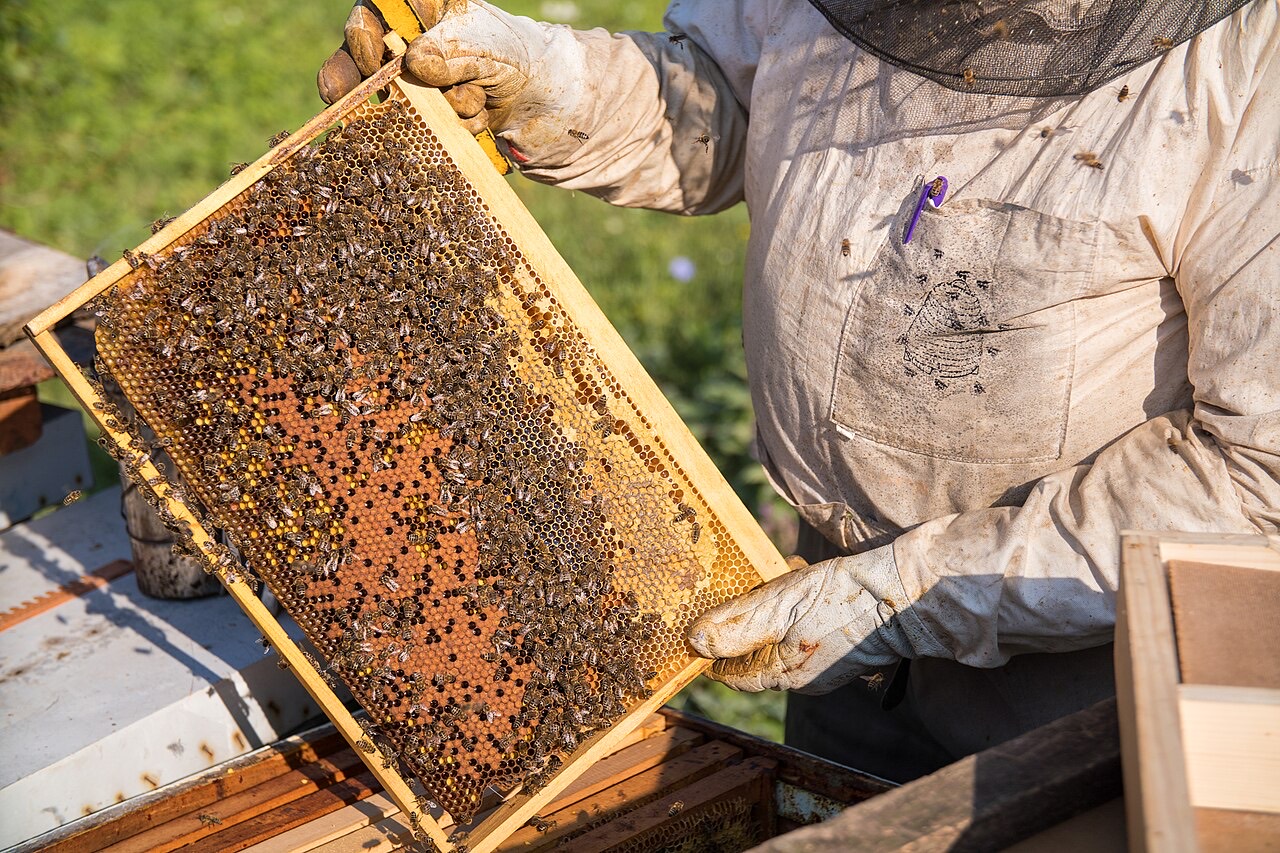
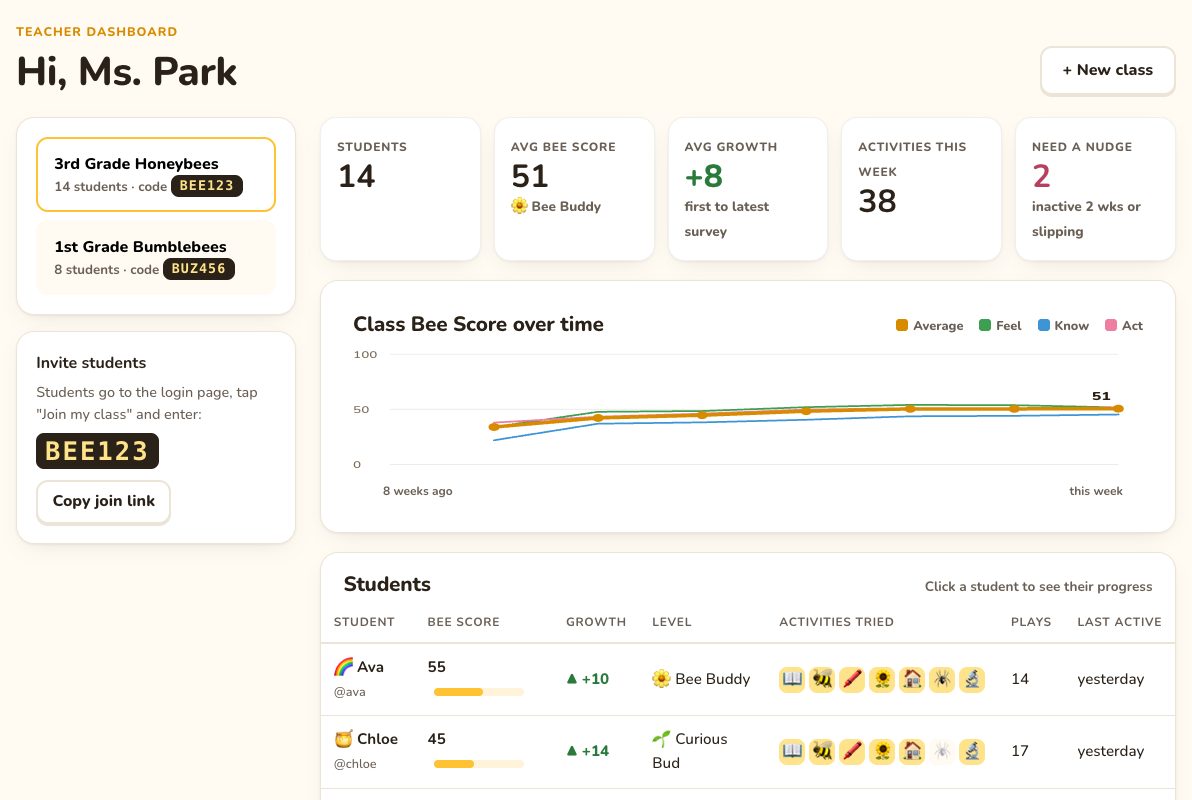
A ready-made bee unit: a picture book, eight short activities and a quick survey. Students learn why bees matter while their mite-spotting helps build a tool for beekeepers, and teachers see every student's progress in one place.
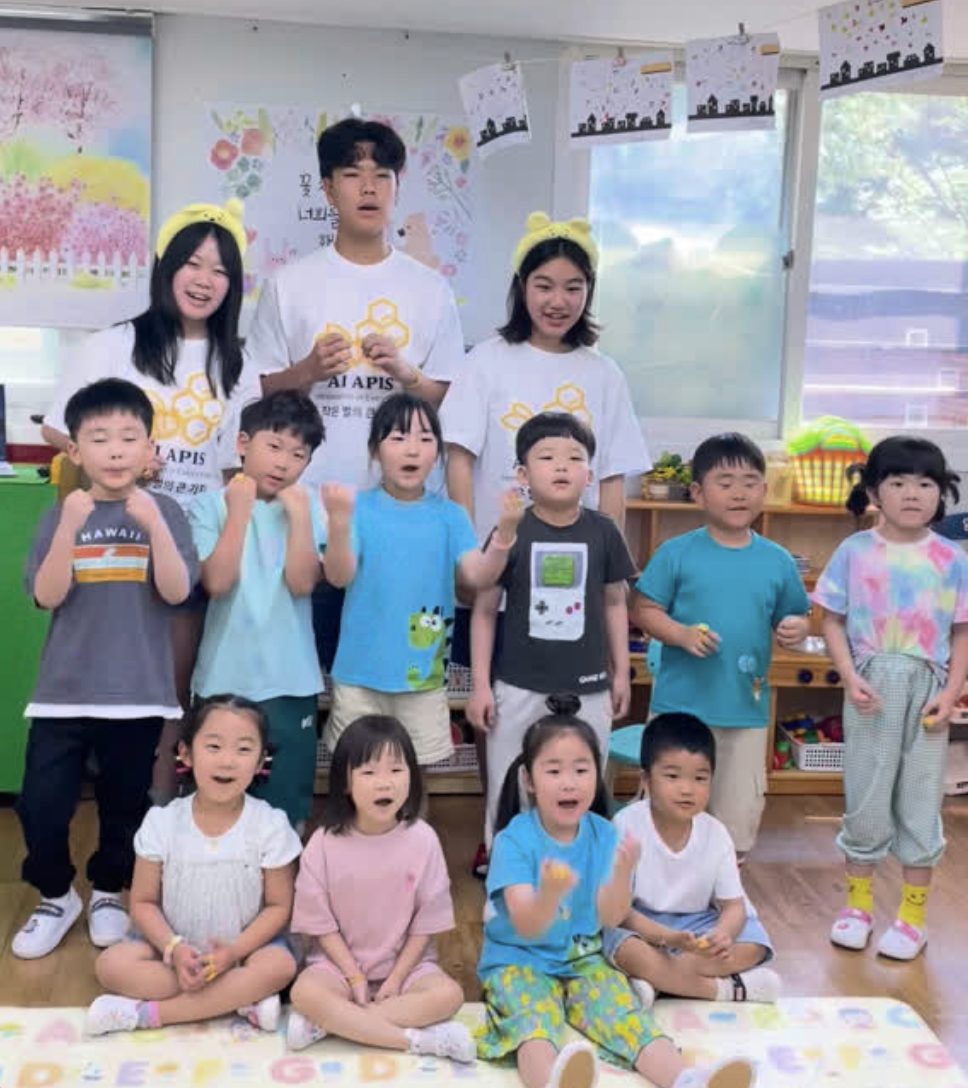
The online activities grew out of an in-person program the BeeWise team taught in local kindergartens.
Children meet Bibi the Bee, watch real hive footage, and talk about one big question: what would happen if bees disappeared?
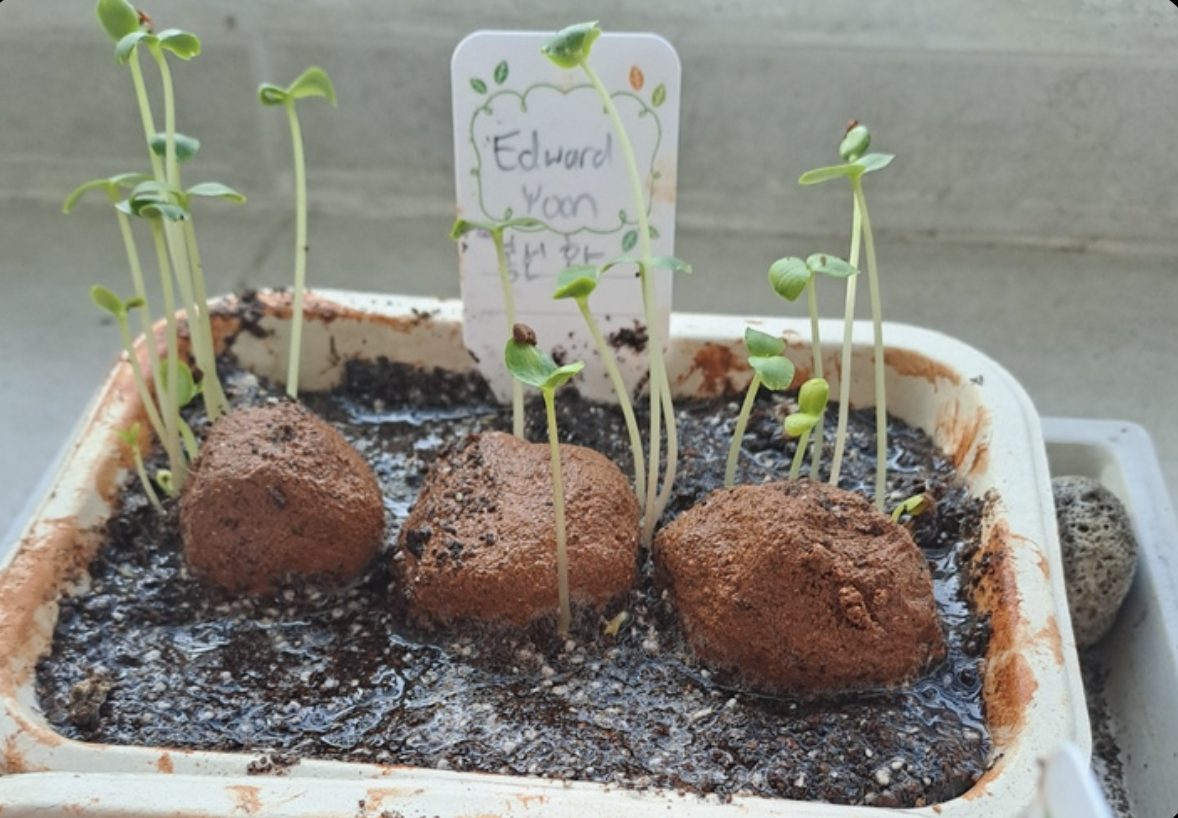
Each child decorates a recycled-bottle flowerpot and plants a flower seedball that grows food for pollinators.
Children imagine life as a bee, then draw and share. Small acts, like planting flowers, become ways to help.
Each one takes 2 to 15 minutes and works on a tablet, laptop or classroom screen. Level 1 is a good place for younger students to start.
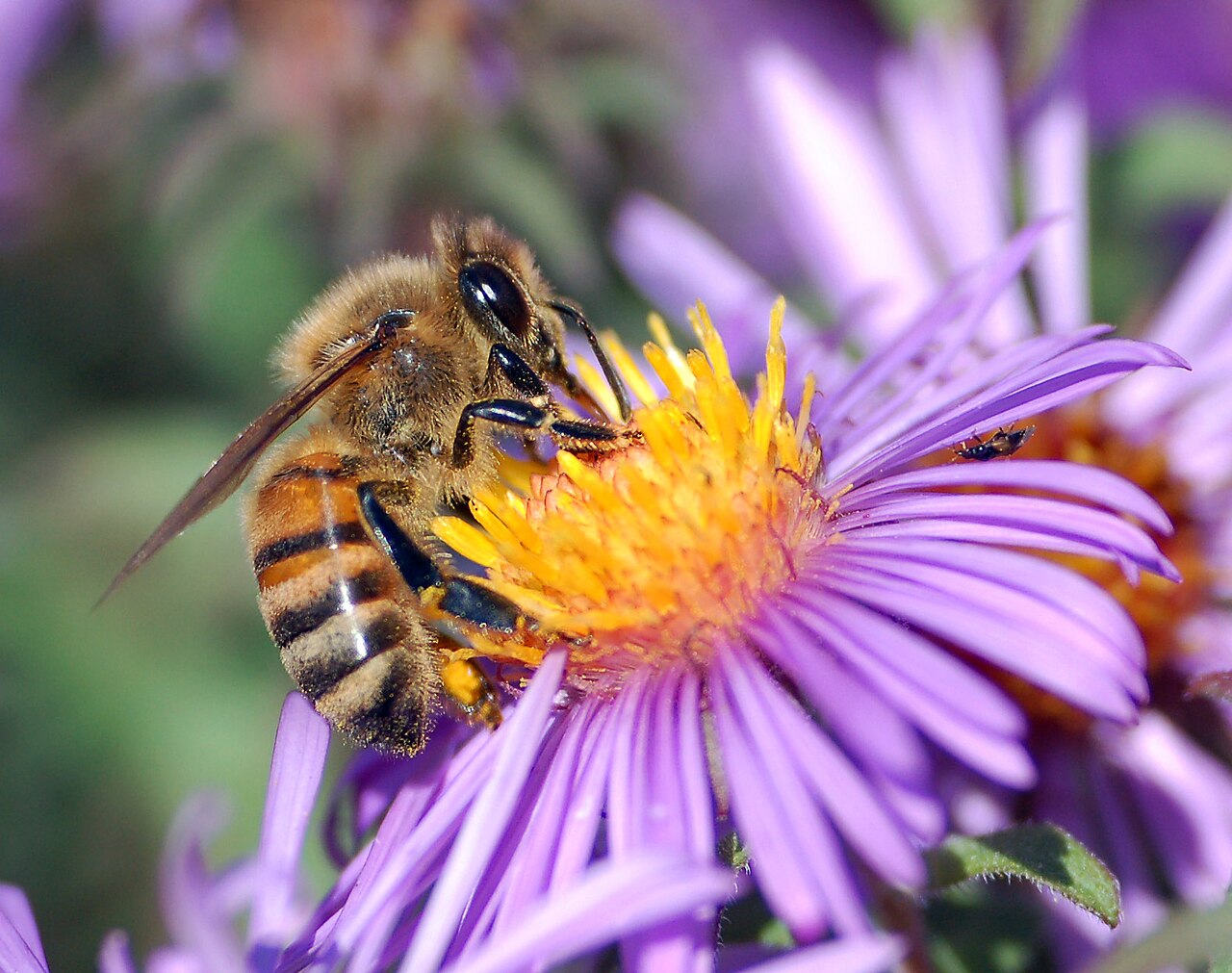
Varroa mites are one of the biggest threats to honeybee colonies, and they are hard to spot. In Mite Counter, students look for varroa mites in real hive photos.
Kids tap every mite they see on a real honeybee photo, after a short practice round.
When a student is signed in, their count is saved with the photo, so many students check each one.
We are using those answers to build a mite-detection app that helps beekeepers find varroa mites earlier.

Type your name and a class name. You get a 6-letter class code and a private link to your dashboard. No password.
They type the code or scan a QR code, then tap their name. No usernames or passwords.
Fifteen picture-friendly questions on what students know about bees, how they would act to help them and how they feel around them.
See Bee Scores over time, which activities each student finished, their game results and the pictures they made.

Bee Friends is run by BeeWise, a youth social venture started by three high school students who wanted to help honeybees.
The team studies honeybee decline and talks with Korean beekeepers about Varroa mites.
A storytelling, seedball and art program, shaped with the Korea Beekeepers Association.
Over 200 children take part in Suwon, and 800 seedball kits go home with families.
A youth bee-conservation partnership with Frosch, and this online program for classrooms anywhere.
Worked with and recognized by